

Automating the Front Desk Without Losing the Human One
Online scheduling, digital intake, and automated reminders genuinely cut phone volume — when they are introduced as options, not replacements.
CareScope Editorial/September 4, 2026/4 min read
The short version
- Self-scheduling, digital intake, and automated reminders can remove a large share of routine phone volume from a small practice. The gains hold when patients who prefer the phone still get a person quickly. Roll out one channel at a time and watch abandonment, not just adoption.
Why it matters
Front-desk automation is one of the few digital-transformation moves with a fast, visible payoff for a small practice: fewer phone interruptions, less data re-entry, fewer no-shows. It is also easy to overdo — practices that automate the front door and make the human door hard to find trade phone calls for frustrated patients.
The front desk of a small practice is where digital transformation either proves itself or dies. It is also the most interrupted job in the building: phones, check-in, insurance questions, and the provider who needs something right now, all at once.
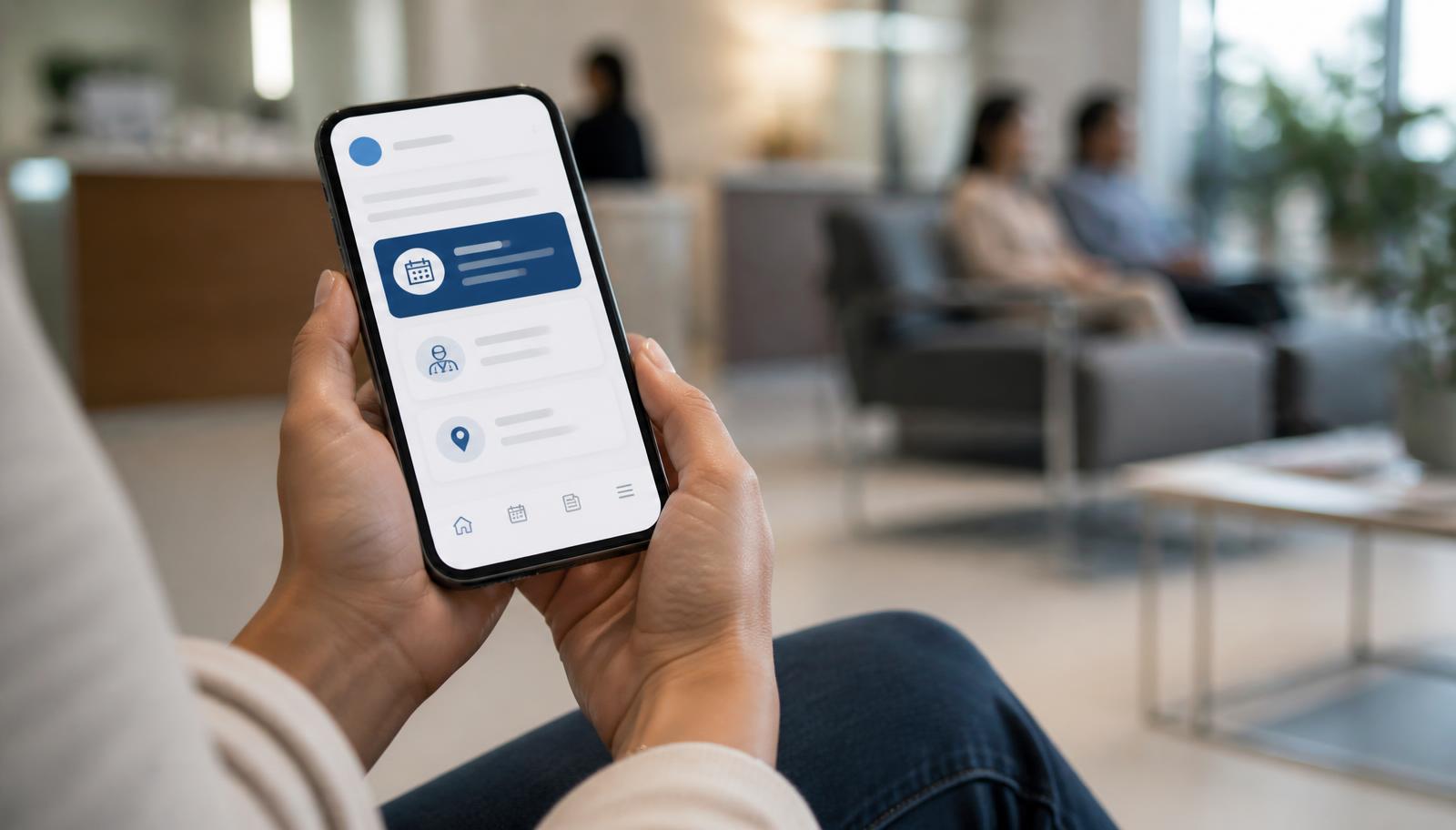
This is where automation earns its keep fastest. Online self-scheduling removes the phone tag for routine visits. Digital intake moves clipboards to the patient's couch the night before. Automated appointment reminders measurably reduce no-shows. None of this requires a platform overhaul — most practice-management systems already include the pieces, and many practices pay for features they have not switched on.
The discipline is in the rollout. Introduce one channel at a time, keep the phone answered by a person for patients who prefer it, and watch two numbers: adoption of the new channel and abandonment of it. Patients who start an online intake and quit halfway are telling you the form is too long. Patients who try self-scheduling and call anyway are telling you the available appointments do not match reality.
A good target for a small practice: within six months, most routine visits booked and most intake completed before arrival, with hold times shorter than they were before. Automation that moves work to the patient without giving anything back is not transformation. Automation that gives the patient time back is.
The CareScope take
Turn on one front-desk feature you already pay for — reminders or digital intake are the easiest — and measure no-shows and phone volume for a month. Then add the next. Keep the phone line staffed; the goal is fewer interruptions, not fewer humans.
Sources
- Using Health IT to Support Patient Engagement — ASTP/ONC
- Text Messaging in Health Care — HHS OCR
CareScope cites primary sources — regulators, standards bodies, and published research — wherever a claim depends on them. Reporting is editorially independent and is not legal advice.
digital transformation · patient engagement · scheduling · front desk
Related stories
Digital Transformation/Sep 10, 2026/4 min read
The Fax Machine Is a Workflow Problem
Fax persists because it solves a coordination problem. Replacing it means redesigning the handoff, not just the hardware.
Digital Transformation/Sep 8, 2026/4 min read
EHR Change Is a Culture Project
Practices rarely fail EHR conversion because of software. They fail because the people side got a fraction of the budget.
Digital Transformation/Sep 1, 2026/3 min read
Your Practice Runs on Spreadsheets
The shadow spreadsheets beside the EHR are a map of exactly where to invest next.