

Patients Judge You by Your Portal
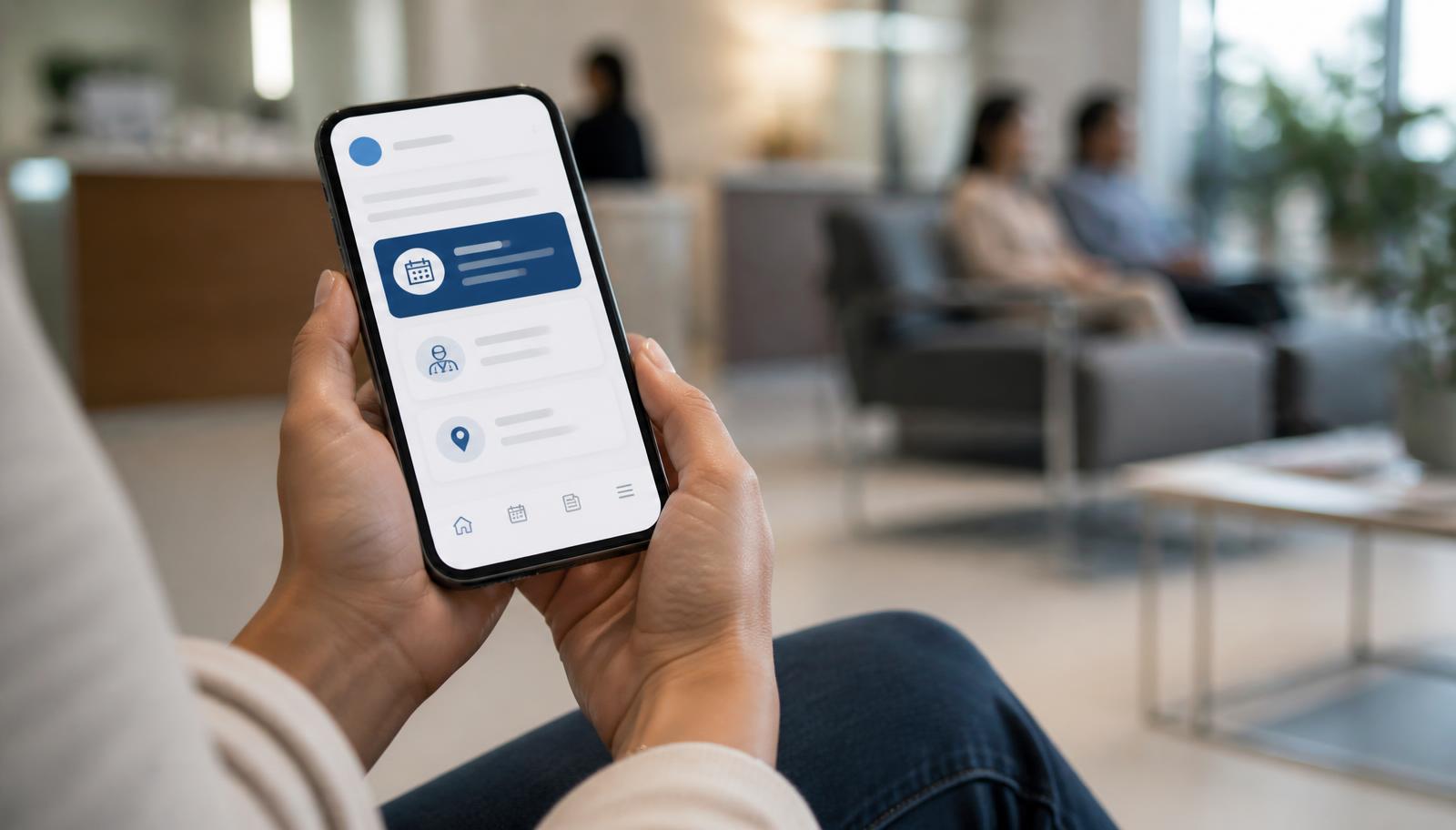
Your portal, your reminders, your online booking — patients experience these as your practice. A clunky digital front door quietly costs you appointments and goodwill.
CareScope Editorial/August 27, 2026/4 min read
The short version
- Patients increasingly expect to book, message, and view results online — and federal rules now require prompt electronic access to their records.
- Information blocking rules mean delays in releasing results electronically can become a compliance issue, not just a service issue.
- Small improvements to the digital front door often beat full platform replacements.
Why it matters
A patient who cannot figure out your portal does not blame the software vendor. They blame you. And under information blocking rules, some portal shortcomings are no longer just bad service — they can put you on the wrong side of federal requirements.
Ask a room of practice managers about their portal and watch the faces. Everyone knows the problems: patients who cannot log in, messages that route to the wrong pool, results that generate panicked phone calls because they posted without context.
Here is the uncomfortable part. Patients experience your digital front door as your practice. They do not distinguish between "our EHR vendor''s patient portal module" and "Dr. Smith''s office." A confusing portal reads as a confusing practice.
The regulatory floor has also moved. Under the 21st Century Cures Act information blocking rules, patients are entitled to timely electronic access to their health information. "We release results after the doctor reviews them, two weeks later" is increasingly hard to defend. ASTP/ONC has published detailed guidance on what constitutes a delay, and HHS OCR''s right of access initiative has produced real enforcement actions.
The good news: most practices do not need a new platform. They need a focused hour of cleanup. Can a patient book an appointment online without calling? Do reminder messages arrive with clear instructions? Do test results post with even a sentence of context? Is there a human fallback when the portal fails someone?
Walk your own front door. Book an appointment as if you were a new patient. Send a message and time the response. View a result. If any step makes you wince, that is your improvement list — no procurement required.
The CareScope take
Do the patient's walk-through yourself this month: book, message, view results. Fix the three worst friction points before evaluating any new engagement platform. And confirm your results-release timing against information blocking rules — that one is compliance, not convenience.
Sources
- Information Blocking — ASTP/ONC
- Individuals' Right Under HIPAA to Access Their Health Information — HHS Office for Civil Rights
CareScope cites primary sources — regulators, standards bodies, and published research — wherever a claim depends on them. Reporting is editorially independent and is not legal advice.
patient engagement · portal · digital health · information blocking
Related stories

Digital Health/Sep 14, 2026/3 min read
What It Means: TEFCA Is Real Now
TEFCA is quietly becoming the default way health records move between organizations. Your EHR vendor's choices here will shape yours.
Digital Health/Sep 12, 2026/2 min read
Worth Watching: Digital Health Consolidates
The digital health market is consolidating. That changes vendor stability math for every small practice running a patchwork of point solutions.

Digital Health/Sep 10, 2026/4 min read
Telehealth Is Infrastructure Now
Telehealth is no longer a project. It is infrastructure, and infrastructure needs owners, contracts, and downtime plans.